
Operation Endgame seized 6.4 million stolen logins. Now what?
An international police action took down servers behind three malware families and secured about 6.4 million sets of stolen login data. What was seized, how to check, and why the police say to deal with the infected device before the passwords.
What we know as of November 13, 2026, from statements by the Netherlands Police, Germany's Federal Criminal Police Office (BKA) and the US Justice Department of November 12, 2026, and from Have I Been Pwned's breach notice of November 13. Figures are theirs.
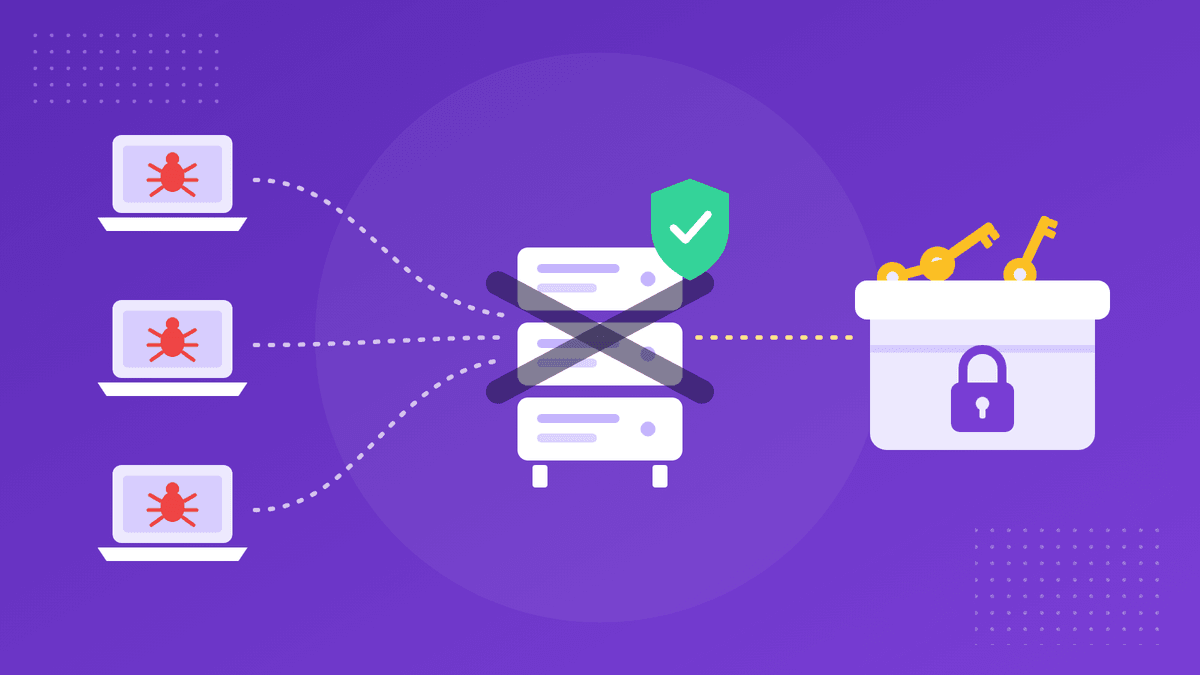
Most credential incidents we write about start with one company: a vendor breached, a token leaked, a repository exposed. This one starts with the other side of the market. Between November 9 and 11, police in Germany, the Netherlands, Denmark, the United Kingdom, the United States and Canada, supported by Europol and Eurojust, went after the servers behind three pieces of malware that criminals use to get into computers and take what is stored on them. According to the BKA, the action reached more than 230 servers worldwide and more than 250 command-and-control domains, cleaned more than 680 compromised websites, and secured around 6.4 million sets of login data belonging to more than 40,000 victims.
It is the latest action under Operation Endgame, an international police campaign against this kind of malware. The numbers are large, but the part worth reading closely is what the police say about the stolen data after they have it.
What did police take down?
The three targets play different roles. Gootloader is a loader: once it is on a computer it can fetch other malware, especially ransomware. The Netherlands Police say it spread through compromised WordPress sites pushed to the top of search results, so that people clicking an ordinary-looking result landed on a criminal's page. In the Netherlands, police took down 14 Gootloader servers, confiscated 218 domains and disinfected 681 websites. The US Justice Department says that, with court authorisation, Gootloader was removed from more than 100 servers, that it has infected at least 25,000 computers since 2018, and that it was used in ransomware attacks on at least 44 US victims with about $28.8 million in losses. The BKA's own estimate is far higher, putting infections in the millions since 2020; we report both as given.
CastleRAT is a remote access trojan, known since 2025, that lets an attacker control an infected computer remotely. The Dutch police say 120 of its servers were taken down, six of them in the Netherlands, and 39 domains confiscated. StealC is an infostealer, built to collect credentials from the machine it runs on. It was already the target of a police action in June. According to the BKA, its operators rebuilt their infrastructure afterwards, partly on a bulletproof hosting service that German and Dutch police shut down at the end of October, and the Dutch police say 102 StealC servers have been taken down since June, 80 of them by Dutch police.
What was in the seized data?
The Netherlands Police describe what tools like these collect: login names, passwords, crypto wallets and system information, sent from the victim's computer to the criminal and then used to steal money or to get into corporate networks and create new victims. In their words, infostealers and RATs such as StealC and CastleRAT often form the first link in an attack chain.
Some of that data is now searchable by the people it belongs to. The Dutch police have loaded data stolen by CastleRAT into Check your hack, a police service where you enter an email address and, if it appears in the data, receive an email from the police describing how to remove the malware. They say more data will be added in the coming weeks, and that victim data is also being shared with Have I Been Pwned, Shadowserver and other partners. Have I Been Pwned added the CastleRAT data on November 13: it says Europol provided around 180,000 email addresses linked to CastleRAT infections, along with 893,000 unique passwords observed more than three million times across accounts used on infected computers. Those passwords are now in Pwned Passwords, so tools that check passwords against that list can flag them.
Does a seized dataset mean the danger is over?
The police are clear that it does not. Their frequently asked questions say that even after a dataset is confiscated, criminals may still hold the same login data. More important for anyone cleaning up, they warn that as long as the malicious software is on the computer, criminals may keep getting its passwords, including a new password set after the old one was changed. That is the difference between a stealer infection and an ordinary password leak. When a website loses a password database, you change the password and the stolen copy goes stale. When the device itself is compromised, changing the password from that device can hand the attacker the new one.
The police add two cautions. Check your hack only checks single email addresses, not whole domains, so organisations that want to know about their staff are pointed to No More Leaks, a project in which police share data with private partners. And emails claiming to come from the police and asking you to check the data are fraudulent: the Netherlands Police say they do not send emails with links, and that you should type their address into the browser yourself.
What should people who share credentials at work take from this?
The first lesson is about order. If an email address or a password turns up in this data, the police's warning about updated passwords points to the device before the accounts: remove the malware first, following the steps the police send, and only then change passwords, ideally from a machine you have reason to trust. Reversing that order risks repeating the theft with the new password.
The second is about reach. The police describe stolen credentials being used to get into corporate networks, and a single infected laptop can hold more than one person's access. Anything stored or typed on it, including credentials a colleague sent over chat or email that are still sitting in the history, is within reach of the malware. When an infection is confirmed, the cleanup list therefore covers the shared logins and keys that passed through that machine, not only the owner's own accounts.
The third is about what is left lying around. Credentials that sit in old messages for months add to what any future infection can collect. Handing them over in an encrypted link that expires after it is opened means there is less to find later, although an expiring link does not protect a secret that is opened on a machine already compromised. Our guide to sending a password securely covers the practical side, and our earlier post on the Volta infostealer looks at how stolen logs get sorted and sold. If you use CredenShare, links created in your browser are encrypted there before upload; shares created from Slack are encrypted on CredenShare's servers.
Sources (checked on November 13, 2026):
Netherlands Police: International action disables cybercriminal network (November 12, 2026); BKA: Operation Endgame geht gegen mehrere Malware-Varianten vor (November 12, 2026); US Department of Justice: Gootloader Malware Disrupted in International Cyber Operation (November 12, 2026); Have I Been Pwned: CastleRAT (November 13, 2026); Netherlands Police: Check your hack FAQ
Product names are trademarks of their respective owners. CredenShare is not affiliated with them.
Leave fewer credentials in chat history
Free plan: 3 shares a day, encrypted in your browser.
Written by
CredenShare
The CredenShare team writes about secure credential sharing, password management, and enterprise security best practices.